Refinery Process Plant Troubleshooting & Problem Solving
Build a structured approach to diagnosing problems across refinery separation, conversion and treating units. Participants learn how the major process stages interact, where upsets typically originate, and how to work from symptoms to root cause without disrupting product specifications.
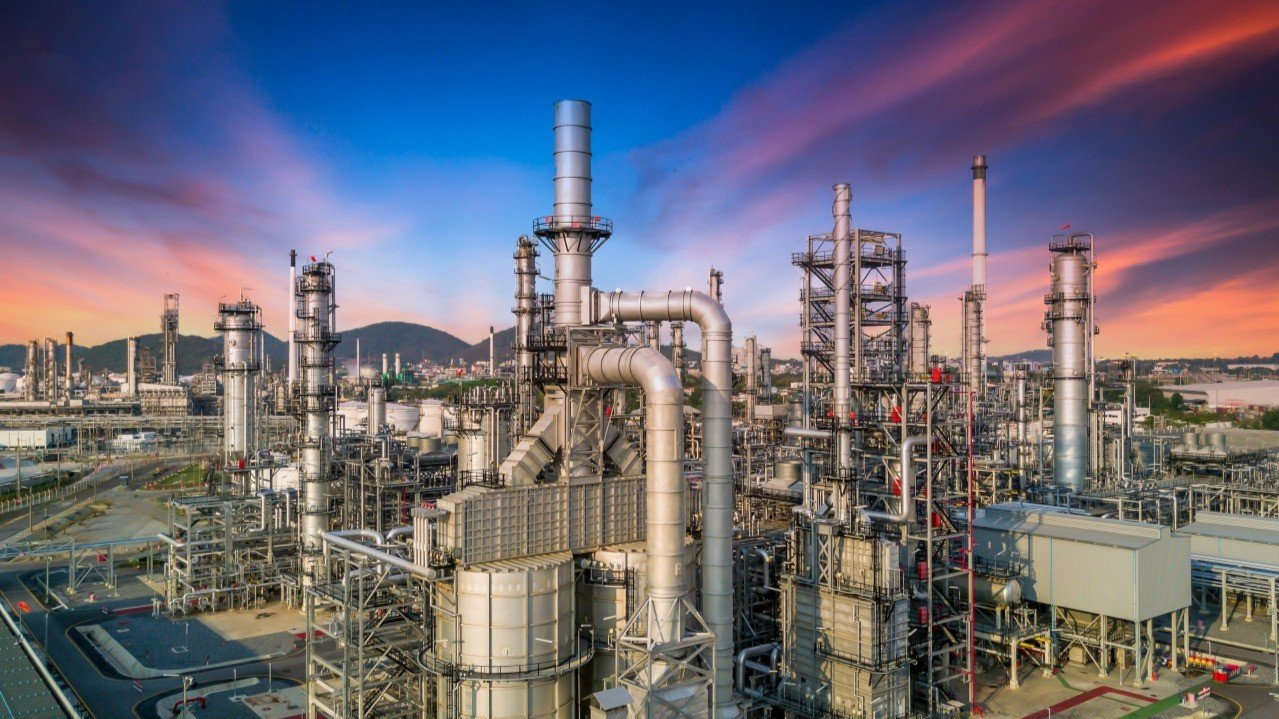
Petroleum refineries are large, complex industrial facilities that transform crude oil into a wide range of valuable products including transportation fuels (gasoline, diesel, jet fuel), heating fuels, lubricants, and petrochemical feedstocks.
The refining process involves a series of physical and chemical operations designed to separate crude oil into its natural components, convert heavier fractions into lighter, more valuable products, and remove impurities to meet strict product specifications and environmental regulations. Refinery Processes Refollow three fundamental stages:
Separation Processes:
- Atmospheric Distillation Unit (CDU): Separates crude into fractions according to boiling point ranges producing gases, naphtha, kerosene, diesel and atmospheric residue.
- Vacuum Distillation Unit (VDU): Processes atmospheric residue under vacuum to recover vacuum gas oil (VGO) and vacuum residue for further processing.
Conversion Processes:
these change the molecular structure to upgrade heavy fractions into lighter, more valuable products through:
Cracking:
- Fluid Catalytic Cracking (FCC): Converts VGO into gasoline, LPG, and light cycle oil.
- Hydrocracking: Uses hydrogen and catalyst to make diesel, ATK, UCO and naphtha from VGO feeds.
- Visbreaking: Mild thermal cracking to reduce viscosity of heavy fuel oil.
Coking:
- Delayed Coking Converts vacuum residue into lighter products and petroleum coke.
Reforming:
- Catalytic Reforming – Upgrades naphtha into high-octane reformate for gasoline and produces hydrogen.
Treating & Finishing Processes:
Hydrotreating: Removes sulfur, nitrogen, and metals using catalyst and hydrogen.
By A. Residue desulfurization in ARD units, Diesel, Kerosene and Naphtha hydrotreating.
Supporting Units:
- Hydrogen Production: Supply high‑purity hydrogen to meet the hydrogen requirement of ARDS, Hydrocracker, Hydrotreaters of Naphtha, Kerosene and Diesel.
- Sulfur Recovery Units (SRU): Claus process to recover elemental sulfur from H₂S.
- Tail Gas Treating (TGT): Achieve an overall sulfur recovery (SRU+TGTU) and H2S emission of 10 ppm by thermal incineration of tail gasses in the incinerator.
- Amine Regeneration: Supply lean amine and process the rich amine solution from gas absorbers and liquid contactors in the refinery.
- Sour Water Stripper (SWS): Stripped ammonia and hydrogen sulfide from sour water.
- Utilities: Steam, cooling water, instrument air, nitrogen, fuel, flushing oil and drainage.
- Wastewater Treatment: Removes oil, solids, and chemicals before discharge.
- Flare Gas Recovery Unit (FGRU): Recover flare gases into fuel gas.
Related Courses
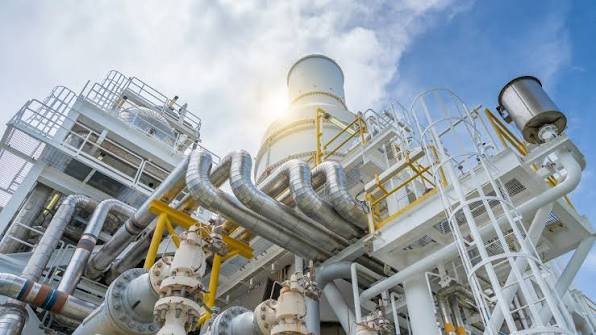
Fundamentals of Petrochemicals Industry
Understand the technical features, terminology, and primary feedstocks (Oil, Gas, NGLs, Coal) of the petrochemical sector.
Hydrotreating & Hydrocracker Process
Understand the reaction chemistry, catalyst systems and process variables behind hydrotreating and hydrocracking. Participants identify the main equipment and learn to control feed quality, hydrogen partial pressure, space velocity and reactor temperature to hold product specifications.

Operations Abnormalities & Plant Upset
Recognise the early indicators that separate a normal process excursion from a developing plant upset. Participants apply a structured method for diagnosing abnormal conditions across reactors, columns, exchangers and utilities, and learn to prioritise operator action under pressure.