Oil, Gas & Petrochemical Operations
Refining, petrochemicals, production, process operations and plant troubleshooting.
- 30
- Courses
Courses in this Category
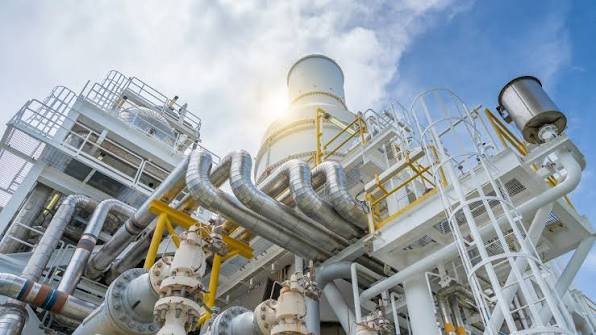
Fundamentals of Petrochemicals Industry
Understand the technical features, terminology, and primary feedstocks (Oil, Gas, NGLs, Coal) of the petrochemical sector.
Hydrotreating & Hydrocracker Process
Understand the reaction chemistry, catalyst systems and process variables behind hydrotreating and hydrocracking. Participants identify the main equipment and learn to control feed quality, hydrogen partial pressure, space velocity and reactor temperature to hold product specifications.
Operations Abnormalities & Plant Upset
Recognise the early indicators that separate a normal process excursion from a developing plant upset. Participants apply a structured method for diagnosing abnormal conditions across reactors, columns, exchangers and utilities, and learn to prioritise operator action under pressure.
H2 Production by Steam Reforming Technology
Follow the steam methane reforming route from feed pre-treatment through to purified hydrogen product. Participants learn reformer furnace, shift converter and PSA operation, how to control steam-to-carbon ratio and outlet temperature, and how to prevent carbon laydown and tube overheating.
Process Reactors: Operation, Troubleshooting, Start-Up & Shutdown
Compare fixed bed, moving bed and fluidised reactors and the duties each suits. Participants operate reactors within their temperature, pressure and space velocity envelope, and diagnose channelling, hot spots, maldistribution and catalyst loss from field and DCS data.
Refinery SRU, Tail Gas Treating, Sour Water, Amine Recovery Units
Work through the modified Claus process and the thermal and catalytic stages behind sulphur recovery. Participants learn to run tail gas treating within emission limits, manage sour water stripping and amine circulation, and troubleshoot SRU, amine and sour water systems as one interacting block.
Continuous Catalytic Reformer (CCR)
Understand how reforming reactions set octane, hydrogen and aromatics yield, and how the continuous regeneration loop keeps catalyst active. Participants learn to control reactor temperatures, recycle gas rate and chloride balance, and to carry out safe start-up, regeneration and shutdown.
De-Sulfurization Technology
Compare hydrodesulphurisation routes for naphtha, kerosene, diesel and residue streams. Participants learn how catalyst selection and reactor severity meet ultra-low sulphur limits, how to manage hydrogen supply and recycle purity, and how to correct off-specification sulphur and short catalyst life.
Refinery Shutdown & Turnaround Training
Build a turnaround work scope and freeze it at the right point in the planning cycle. Participants plan resources, critical path and contractor interfaces realistically, apply isolation, decontamination and permit-to-work standards throughout, and control the scope growth that derails turnarounds.
Hydrotreating & Hydrocracker Technology
Review the licensed technologies and configurations used for hydrotreating and hydrocracking. Participants evaluate conversion, selectivity and yield against unit design, assess metallurgy and high-pressure loop integrity, and identify realistic debottlenecking options.
Oil & Gas Operations: Gas Processing, Hydrates, Dehydration, Sweetening, NGL Recovery & Fractionation, Oil Production, Desalting, Stabilization, Storage Tanks
Follow the full production chain from wellhead separation through to stabilised oil and sales gas. Participants learn to predict and prevent hydrates, select dehydration methods, run sweetening, NGL recovery and fractionation, and operate desalters, stabilisation and storage to export specification.
Delayed Coking Process
Work through delayed coking chemistry and the drum cycle from filling and steam stripping to cutting and warm-up. Participants learn to run the coker heater within its coking limits, apply the safety controls for hot drum work, and troubleshoot foam-over, hot spots and fractionator fouling.