Process Reactors: Operation, Troubleshooting, Start-Up & Shutdown
Compare fixed bed, moving bed and fluidised reactors and the duties each suits. Participants operate reactors within their temperature, pressure and space velocity envelope, and diagnose channelling, hot spots, maldistribution and catalyst loss from field and DCS data.
This subject may be offered at different levels; scope, depth and prerequisites are confirmed for the selected programme.
- Compare fixed bed, moving bed and fluidised reactor types and the duties each is suited to.
- Operate reactors within their temperature, pressure and space velocity envelope.
- Diagnose channelling, hot spots, maldistribution and catalyst loss from field and DCS data.
- Execute controlled start-up, catalyst loading and unloading, and planned shutdown sequences.
- Apply the safety controls required for reactor entry, purging and reinstatement.
Location
Courses may be conducted at one of the following hotels in Kuwait:
- Hilton Garden Inn Kuwait – The Avenues
- Hilton Kuwait Resort – Mangaf
- Jumeirah Messilah Beach Hotel & Spa
- Radisson Blu Hotel Kuwait
Or at the client’s premises.
Related Courses
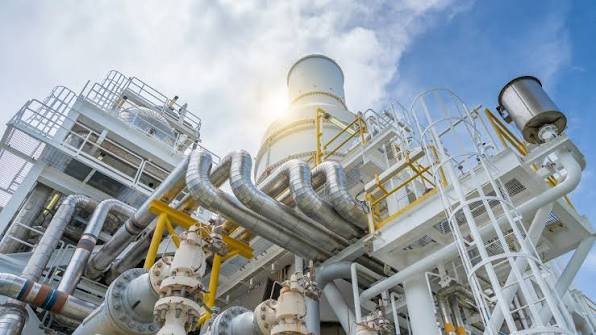
Fundamentals of Petrochemicals Industry
Understand the technical features, terminology, and primary feedstocks (Oil, Gas, NGLs, Coal) of the petrochemical sector.
Hydrotreating & Hydrocracker Process
Understand the reaction chemistry, catalyst systems and process variables behind hydrotreating and hydrocracking. Participants identify the main equipment and learn to control feed quality, hydrogen partial pressure, space velocity and reactor temperature to hold product specifications.
Operations Abnormalities & Plant Upset
Recognise the early indicators that separate a normal process excursion from a developing plant upset. Participants apply a structured method for diagnosing abnormal conditions across reactors, columns, exchangers and utilities, and learn to prioritise operator action under pressure.