Fundamentals of Petrochemicals Industry
Understand the technical features, terminology, and primary feedstocks (Oil, Gas, NGLs, Coal) of the petrochemical sector.
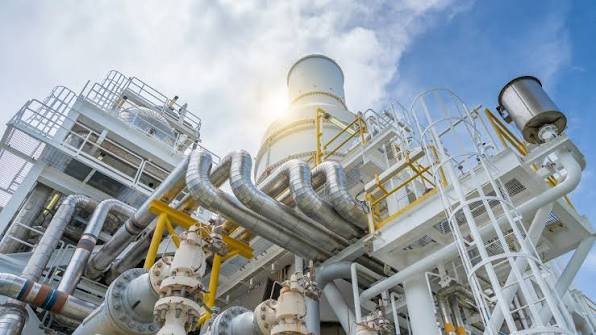
This subject may be offered at different levels; scope, depth and prerequisites are confirmed for the selected programme.
General Objectives
• Master Industry Fundamentals: Understand the technical features, terminology, and primary feedstocks (Oil, Gas, NGLs, Coal) of the petrochemical sector.
• Analyze Value Chains: Map the transformation of the seven basic building blocks into end-use consumer and industrial products.
• Evaluate Process Technologies: Gain insights into cracking, reforming, and polymerization processes, including the role of advanced catalysts.
• Optimize Operational Economics: Understand the impact of feedstock pricing, energy balance, and refinery-petrochemical integration on profitability.
• Strategic Decision Making: Apply market forecasting and project evaluation techniques to navigate global industry trends and sustainability challenges.
Location
Courses may be conducted at one of the following hotels in Kuwait:
- Hilton Garden Inn Kuwait – The Avenues
- Hilton Kuwait Resort – Mangaf
- Jumeirah Messilah Beach Hotel & Spa
- Radisson Blu Hotel Kuwait
Or at the client’s premises.
Related Courses
Hydrotreating & Hydrocracker Process
Understand the reaction chemistry, catalyst systems and process variables behind hydrotreating and hydrocracking. Participants identify the main equipment and learn to control feed quality, hydrogen partial pressure, space velocity and reactor temperature to hold product specifications.
Operations Abnormalities & Plant Upset
Recognise the early indicators that separate a normal process excursion from a developing plant upset. Participants apply a structured method for diagnosing abnormal conditions across reactors, columns, exchangers and utilities, and learn to prioritise operator action under pressure.
H2 Production by Steam Reforming Technology
Follow the steam methane reforming route from feed pre-treatment through to purified hydrogen product. Participants learn reformer furnace, shift converter and PSA operation, how to control steam-to-carbon ratio and outlet temperature, and how to prevent carbon laydown and tube overheating.