Safety Management & Emergency Controls
Advanced training for petroleum industry professionals responsible for safeguarding people, assets and the environment. Participants develop the knowledge and skills to implement safety management and emergency controls across petroleum operations.
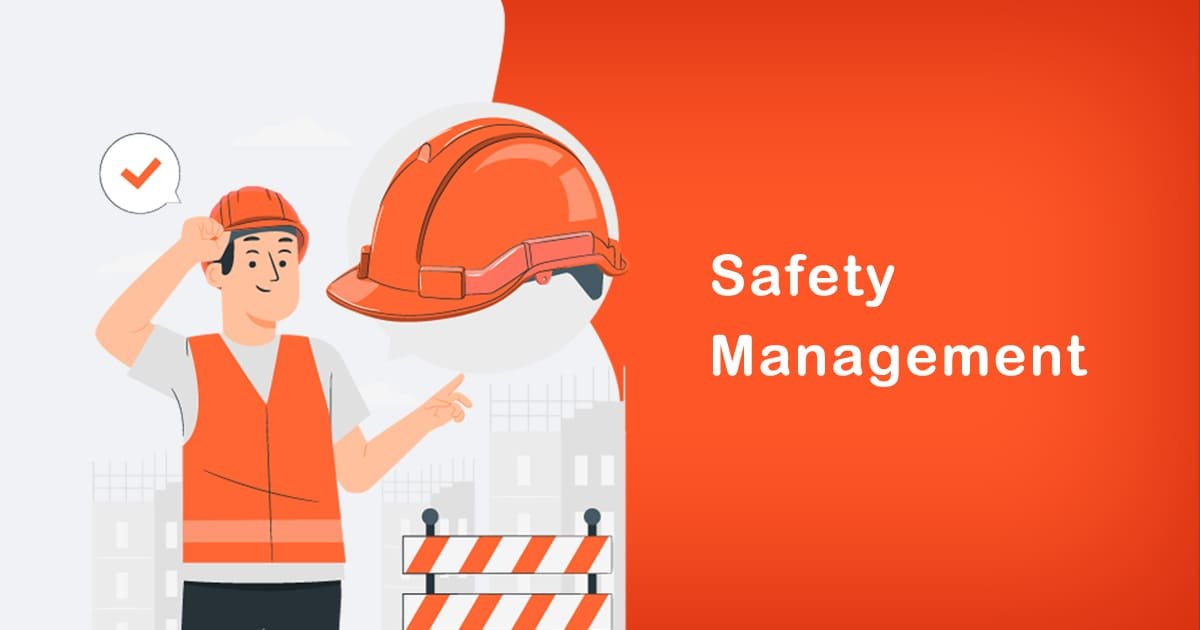
Program Overview
Ensuring safety in petroleum operations is essential to safeguarding people, assets, and the environment. This advanced training program is tailored specifically for petroleum industry professionals, equipping them with the knowledge and skills to implement robust Safety Management Systems and effective Emergency Controls aligned with global standards and best practices.
Detailed Daily Schedule
Day 1: Foundations of Safety Management
- Introduction to safety culture in petroleum operations
- International standards (OSHA, ISO, NFPA) overview
- Safety Management Systems: principles and practices
Day 2: Hazard Identification & Risk Assessment
- Types of petroleum-sector hazards (fire, gas, chemical, operational)
- Practical tools for hazard recognition and risk evaluation
- Workshop: real-world hazard mapping
Day 3: Emergency Preparedness & Response Planning
- Developing effective emergency response plans
- Communication protocols and chain of command
- Case studies: successful and failed responses
Day 4: Crisis Leadership & Decision-Making
- Leading teams during critical incidents
- Psychological readiness and stress management
- Simulation drills and group exercises
Day 5: Building a Safety-First Culture
- Embedding proactive safety behaviors in petroleum companies
- Compliance audits and continuous improvement
- Program review, Q&A, and certification ceremony
Related Courses
Strategic Level Program in Emergency Shutdown System Management
A strategic-level view of emergency shutdown systems, current ESD trends and their role in the organisation's operations. Participants gain expert knowledge of government legislation and litigation risk, along with ESD and product certification schemes.
Fundamentals of Life Support Course (BLS)
Built for nurses providing professional basic life support to emergency patients. Participants learn why high-quality CPR changes survival outcomes, and practise the early, appropriate use of an automated external defibrillator.
Professional HSSE Gap Analysis and Action Planning
Learn the gap analysis process: its templates, criticality and impact coding, and the reports it produces. Participants then turn those findings into action plans that genuinely improve HSSE processes rather than simply documenting them.