H2S Safety Engineer: H2S Risk Management & Emergency Procedures
Build essential capability to recognize, assess and control H₂S hazards in petroleum operations. Participants explore risk-management and emergency-response practices that support safer decisions, stronger preparedness and effective protection of personnel and facilities.
Program Overview
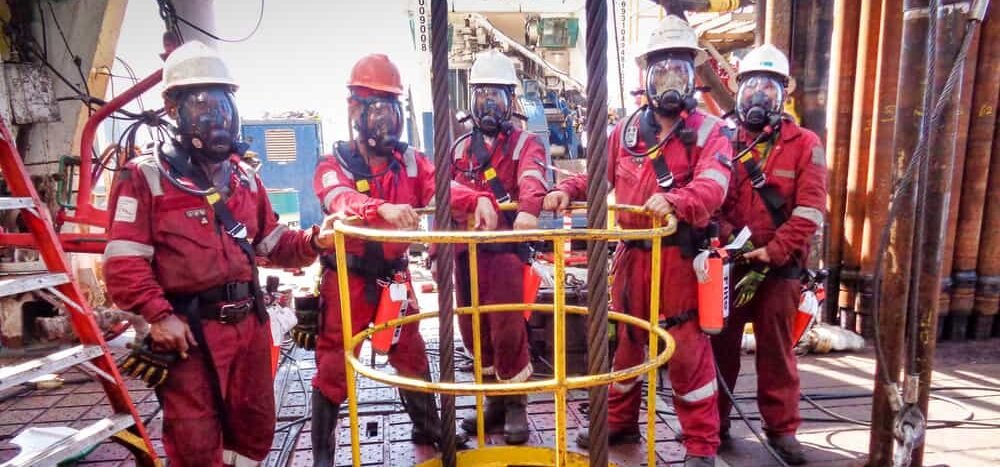
In petroleum operations, exposure to Hydrogen Sulfide (H₂S) poses one of the most critical risks to personnel safety and business continuity. This specialized and industry-focused training program empowers participants with practical knowledge, technical expertise, and emergency response skills tailored to the challenges of the oil & gas sector. Through real-world case studies, interactive drills, and global best practices, the program ensures readiness to mitigate H₂S hazards and safeguard both people and assets.
Key Learning Objectives
Participants will:
- Gain in-depth knowledge of H₂S properties, hazards, and industry standards.
- Apply international petroleum HSE regulations (OSHA, API, ANSI, OGP).
- Master the use of gas detection, monitoring, and PPE systems in oil & gas sites.
- Conduct risk assessments and Job Safety Analysis (JSA) specific to petroleum operations.
- Design and execute robust emergency response strategies for drilling rigs, refineries, and production sites.
- Strengthen leadership, decision-making, and safety culture within petroleum environments.
Target Audience
- HSE Managers in petroleum companies
- Safety Engineers & Supervisors
- Refinery & Rig Safety Officers
- Emergency Response & Firefighting Teams
- Petroleum Industry Leaders & Field Staff exposed to H₂S
Proposed Daily Timetable (5 Days | 8:00 AM – 2:00 PM)
Day 1 – Understanding H₂S in Petroleum Operations
- Properties, toxicology & behavior of H₂S in oil & gas fields
- International regulations & petroleum industry compliance
- Case studies of H₂S incidents in refineries & rigs
Day 2 – Detection, Monitoring & PPE
- Gas detection & alarm systems used in drilling and refining
- Calibration and maintenance in petroleum environments
- Proper use of SCBA & protective equipment in field operations
Day 3 – Risk Assessment & Control in Petroleum Facilities
- H₂S hazard identification in drilling, pipelines & refineries
- JSA for petroleum tasks
- Engineering & administrative controls
Day 4 – Emergency Preparedness in Oil & Gas
- Evacuation procedures for rigs, refineries & plants
- Rescue techniques and first aid for H₂S exposure
- Petroleum site emergency drills & role-playing
Day 5 – Leadership in Petroleum Safety & Final Assessment
- Building safety-first culture in petroleum operations
- Crisis decision-making in hazardous environments
- Knowledge test, group exercise & program wrap-up
Related Courses
Strategic Level Program in Emergency Shutdown System Management
A strategic-level view of emergency shutdown systems, current ESD trends and their role in the organisation's operations. Participants gain expert knowledge of government legislation and litigation risk, along with ESD and product certification schemes.
Fundamentals of Life Support Course (BLS)
Built for nurses providing professional basic life support to emergency patients. Participants learn why high-quality CPR changes survival outcomes, and practise the early, appropriate use of an automated external defibrillator.

Professional HSSE Gap Analysis and Action Planning
Learn the gap analysis process: its templates, criticality and impact coding, and the reports it produces. Participants then turn those findings into action plans that genuinely improve HSSE processes rather than simply documenting them.