Fire Protection & Emergency Response in Oil & Gas
Comprehensive grounding in fire protection systems and emergency response planning for oil, gas and petrochemical facilities. Participants learn to identify fire hazards and apply international fire safety standards to the facilities they are responsible for.
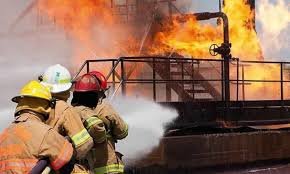
Program Overview
This program provides comprehensive knowledge and practical skills in fire protection systems and emergency response planning specific to oil, gas, and petrochemical facilities. It focuses on identifying fire hazards, applying international fire safety standards, operating fire protection systems, and managing emergency situations to minimize risk to personnel, assets, and the environment. The course emphasizes real-world applications in refineries, offshore platforms, pipelines, and processing plants.
Key Learning Objectives
Participants will be able to:
- Understand fire science and fire behavior in oil & gas environments.
- Identify fire and explosion hazards in petroleum facilities.
- Apply international fire protection standards (NFPA, API, OSHA, ISO).
- Select and operate appropriate fire detection and suppression systems.
- Develop and implement effective emergency response plans.
- Perform incident command, evacuation, and coordination during emergencies.
- Conduct fire risk assessments and emergency drills.
Target Audience (Oil & Gas Sector)
- HSE & Fire Safety Engineers
- Emergency Response Team (ERT) Members
- Operations & Maintenance Supervisors
- Plant & Facility Managers
- Process & Production Engineers
- Offshore & Onshore Safety Personnel
- Security and Crisis Management Staff
Proposed 5-Day Timetable
Day 1 – Fire Fundamentals & Oil & Gas Hazards
- Fire triangle, fire chemistry, and combustion principles
- Types of fires (Class A, B, C, D, K)
- Fire and explosion hazards in oil & gas facilities
- Historical fire incidents and lessons learned
Day 2 – Fire Protection Systems & Standards
- Fire detection systems (smoke, heat, flame, gas detection)
- Fire suppression systems:
- Water-based systems (hydrants, sprinklers, deluge)
- Foam systems (fixed & mobile)
- Gaseous suppression systems
- Water-based systems (hydrants, sprinklers, deluge)
- Overview of NFPA, API, OSHA, ISO standards
Day 3 – Emergency Response Planning & Command
- Emergency response organization and roles
- Incident Command System (ICS)
- Emergency response procedures for:
- Fires and explosions
- Gas leaks and toxic releases
- Fires and explosions
- Evacuation, muster points, and accountability
Day 4 – Firefighting Operations & Emergency Drills
- Firefighting equipment and PPE
- Fixed and portable firefighting equipment operation
- Initial response actions and defensive vs. offensive firefighting
- Emergency drills, simulations, and coordination with external agencies
Day 5 – Risk Assessment, Investigation & Case Studies
- Fire risk assessment and hazard analysis
- Emergency preparedness audits and inspections
- Incident investigation and root cause analysis
- Case studies from oil & gas industry fires
- Final assessment, group exercise & course wrap-up
Related Courses
Strategic Level Program in Emergency Shutdown System Management
A strategic-level view of emergency shutdown systems, current ESD trends and their role in the organisation's operations. Participants gain expert knowledge of government legislation and litigation risk, along with ESD and product certification schemes.

Fundamentals of Life Support Course (BLS)
Built for nurses providing professional basic life support to emergency patients. Participants learn why high-quality CPR changes survival outcomes, and practise the early, appropriate use of an automated external defibrillator.

Professional HSSE Gap Analysis and Action Planning
Learn the gap analysis process: its templates, criticality and impact coding, and the reports it produces. Participants then turn those findings into action plans that genuinely improve HSSE processes rather than simply documenting them.