Advanced Level Training in Modern Techniques for Firefighting in Wells & Oil Tanks
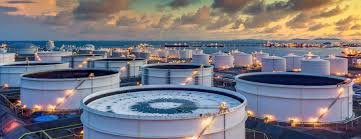
Fires in oil wells and storage tanks demand specialised strategy, not general firefighting. Over five days participants work through the latest methodologies and techniques for controlling and mitigating well and tank fires effectively.
Introduction
Fires in oil wells and storage tanks pose significant risks, demanding advanced skills, modern techniques, and specialized strategies for effective control and mitigation. This comprehensive 5-day training program focuses on the latest methodologies and technologies in firefighting for wells and oil tanks. Participants will gain hands-on expertise in advanced fire suppression, risk assessment, and emergency response techniques tailored for high-stakes environments. The course combines theoretical knowledge with practical exercises to ensure readiness for real-world challenges, enabling participants to protect lives, assets, and the environment.
Objectives
By the end of this program, participants will:
1. Understand the causes, dynamics, and risks associated with fires in oil wells and tanks.
2. Master modern techniques for controlling and extinguishing well and oil tank fires.
3. Learn to use advanced firefighting equipment and materials effectively.
4. Develop skills in risk assessment and strategic planning for fire emergencies.
5. Enhance emergency response coordination and communication in critical scenarios.
6. Apply best practices for ensuring safety during firefighting operations.
Who Should Attend
This course is designed for:
- Firefighting Professionals: Engaged in industrial or specialized firefighting operations.
- Emergency Response Teams: Responsible for oil and gas facility safety.
- Safety Officers and Supervisors: Overseeing fire safety in the oil and gas industry.
- Engineers and Technicians: Working in oil well and storage tank operations.
- Risk Management Professionals: Focused on fire hazard mitigation.
- Decision-Makers in Oil & Gas Operations: Seeking to enhance safety and preparedness.
Course Outline
Day 1: Fundamentals of Well and Oil Tank Fires
- Overview of oil well and tank fire incidents
- Causes, types, and behavior of fires in oil facilities
- Environmental and operational hazards during firefighting
- Introduction to advanced firefighting systems
Day 2: Modern Techniques in Fire Suppression
- Foam-based extinguishing methods: Types, application, and effectiveness
- Use of water mist and advanced chemical agents
- High-pressure water systems for oil fires
- Case studies on successful fire suppression strategies
Day 3: Advanced Equipment and Technologies
- Overview of cutting-edge firefighting tools and equipment
- Remote-controlled firefighting systems
- Personal protective equipment (PPE) for high-risk scenarios
- Hands-on training with specialized firefighting gear
Day 4: Risk Assessment and Strategic Response Planning
- Conducting fire hazard assessments in oil facilities
- Developing emergency response plans and evacuation strategies
- Coordination with external agencies and mutual aid teams
- Role of leadership and communication in crisis management
Day 5: Simulation, Drills, and Best Practices
- Live firefighting simulations for oil well and tank scenarios
- Practical drills for foam and chemical extinguishing methods
- Post-fire management: Environmental protection and asset recovery
- Lessons learned from global oil well and tank fire incidents
Related Courses
Strategic Level Program in Emergency Shutdown System Management
A strategic-level view of emergency shutdown systems, current ESD trends and their role in the organisation's operations. Participants gain expert knowledge of government legislation and litigation risk, along with ESD and product certification schemes.
Fundamentals of Life Support Course (BLS)
Built for nurses providing professional basic life support to emergency patients. Participants learn why high-quality CPR changes survival outcomes, and practise the early, appropriate use of an automated external defibrillator.
Professional HSSE Gap Analysis and Action Planning
Learn the gap analysis process: its templates, criticality and impact coding, and the reports it produces. Participants then turn those findings into action plans that genuinely improve HSSE processes rather than simply documenting them.