Risk Analysis & Evaluation
Understand the principles of risk analysis and evaluation, then apply them. Participants identify, assess and prioritise different types of risk, use quantitative and qualitative assessment techniques, and develop response strategies that hold up under pressure.

Program Objectives:
- Understand the principles of risk analysis and evaluation
- Identify, assess, and prioritize various types of risks
- Apply quantitative and qualitative risk assessment techniques
- Develop effective risk response strategies
- Strengthen decision-making through structured risk evaluation
Day 1: Introduction to Risk Management & Analysis
- Fundamentals of risk management
- Types and sources of risks (strategic, operational, financial, etc.)
- Risk identification methods (SWOT, brainstorming, checklists)
- Risk registers and documentation
Day 2: Qualitative Risk Assessment
- Risk probability and impact assessment
- Risk matrix and risk categorization
- Risk appetite and tolerance
- Stakeholder influence on risk perception
Day 3: Quantitative Risk Analysis
- Quantitative techniques: Monte Carlo simulation, sensitivity analysis
- Expected Monetary Value (EMV)
- Decision trees
- Data collection and analysis tools
Day 4: Risk Evaluation & Prioritization
- Criteria for evaluating risks
- Risk ranking and scoring
- Risk aggregation
- reporting and communicating risk evaluation results
Day 5: Risk Response Planning & Monitoring
- Developing mitigation and contingency plans
- Risk ownership and action plans
- Risk monitoring and review processes
- Case studies and real-world applications
Related Courses
Professional Maximizing Benefit through Risk Management
Understand risk analysis and the mitigation planning process, with the tools to measure risk in an oil and gas setting. Participants work with the risk management framework and dynamic risk registers, applying quantitative and qualitative approaches to real exposures.
Professional Implementation Guidelines to the Legal Aspects of Corporate Governance
Understand your organization's corporate governance framework, including inter-company and intra-group relations, compliance, and the legal regulations around corporate communication. Participants identify where best practice in governance is heading and what it requires.
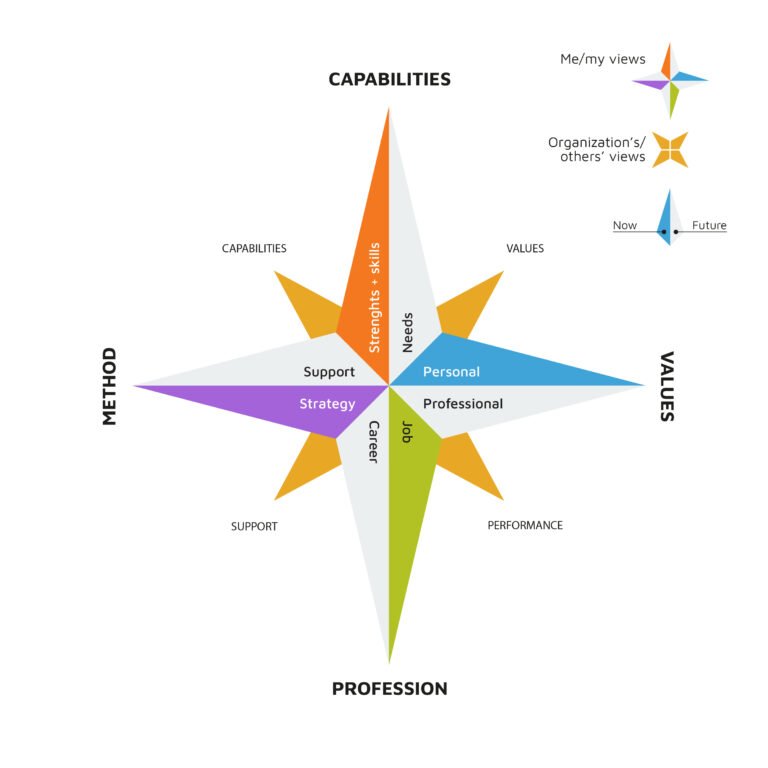
Inspection and Audit Office Methodology in Government Bodies
Draw a clear line between inspection, auditing and oversight in the public sector. Participants work through the regulatory and legal framework governing these offices, and the detailed responsibilities each function carries in practice.