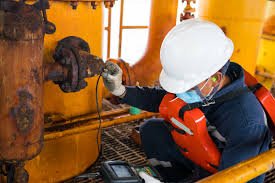
The oil and gas industry operates under some of the harshest environmental conditions—high temperatures, pressures, and exposure to water, CO₂, H₂S, and chlorides—all of which contribute to corrosion. Understanding the causes and implementing effective control strategies is vital to maintaining operational efficiency and preventing catastrophic failures.
1. Understanding Corrosion
Corrosion is a natural process that occurs when metals react with their environment, leading to gradual degradation. In oil and gas operations, corrosion can occur in pipelines, storage tanks, refineries, and offshore platforms. Common types include:
Uniform corrosion: even metal loss across surfaces.
Pitting corrosion: localized damage forming small holes.
Galvanic corrosion: occurs when dissimilar metals contact in a corrosive environment.
Stress corrosion cracking: metal failure under combined stress and corrosive conditions.
2. Causes of Corrosion in the Oil & Gas Sector
Several factors accelerate corrosion in this industry, such as:
High moisture and salinity levels.
Presence of hydrogen sulfide (H₂S) and carbon dioxide (CO₂).
Bacterial activity (microbiologically influenced corrosion).
Temperature and pressure fluctuations.
3. Corrosion Control Methods
Corrosion control involves a combination of preventive and protective measures including:
Material selection: using corrosion-resistant alloys or coatings.
Cathodic protection: applying electrical currents to prevent metal oxidation.
Corrosion inhibitors: injecting chemicals that form a protective film on metal surfaces.
Protective coatings: such as epoxy or polyurethane layers.
Regular inspection and monitoring: using sensors and smart pigging tools to detect early signs of corrosion.
4. Kuwait’s Approach to Corrosion Management
Given Kuwait’s reliance on oil and gas production, the country invests heavily in corrosion monitoring and control programs. Companies like Kuwait Oil Company (KOC) and KNPC implement advanced inspection systems, real-time monitoring technologies, and specialized training for engineers to mitigate corrosion risks.
5. The Role of Innovation and AI
Modern corrosion management increasingly leverages Artificial Intelligence (AI) and predictive analytics. AI models can analyze environmental and operational data to predict corrosion hotspots, optimize maintenance schedules, and reduce downtime.
Conclusion
Corrosion control is not just a maintenance activity—it’s a strategic necessity for safety, efficiency, and environmental protection. With advanced technologies and proactive management, Kuwait and the global oil & gas industry can minimize corrosion impacts and ensure long-term operational integrity.
About the Author
Admin User
An experienced writer sharing insights and knowledge in their field of expertise.
Discussion