Team Building Workshop
A two-day workshop for junior professionals on how teams actually work together. Participants build trust and psychological safety, sharpen communication and active listening, strengthen collaboration and team identity, and practise constructive feedback and conflict handling.

Target Group:
Junior-level professionals from various organizations and sector.
Duration
2 days × 6 hours daily.
Objectives :
- Build trust and psychological safety within teams.
- Enhance effective communication and active listening.
- Strengthen collaboration and team identity.
- Develop constructive feedback and conflict-handling skills.
- Foster team spirit, mutual support, and a culture of collaboration across functions.
Workshop
Day 1 – Team connection & Building Trust
- Theory:
• Trust as foundation for effective teamwork in high-risk industries.
• Psychological Safety as a driver of performance and safety.
• Case insights from oil incidents where trust was decisive.
• Listening to Understand vs. Listening to Reply.
• Layers of communication: verbal, non-verbal, emotional.
• Case study: Lesson from communication breakdowns in oil sector.
- Practical Activities:
• Team Journey Exchange: participants share pivotal teamwork stories.
• Trust Mapping: teams identify where trust is built or eroded in their workplace.
• Team Charter Workshop: drafting a shared code of values and behaviors.
• Crisis Meeting Simulation: cross-functional teams respond to a refinery disruption.
• 360° Listening Drill: practice active listening and paraphrasing in triads.
• Team Identity Lab: groups create a symbolic “team identity” reflecting diversity and strengths.
- Interactive Reflection:
• Open circle discussion on lessons learned and use of Mentimeter or similar tools for live participant feedback.
Day 2 – Feedback & Conflict Handling & Collaboration
- Theory:
• Types of conflict: task vs. relationship.
• Harvard Feedback Model (SBI – Situation, Behavior, Impact).
• Turning disagreements into productive dialogue.
• Building resilience and adaptability within teams.
• Growth Mindset as a foundation for continuous team learning.
• Cross-functional collaboration for long-term success.
- Practical Activities:
• Team Conflict Simulation: role-play scenarios with competing departmental interests.
• Feedback Clinic: participants give and receive constructive feedback.
• Resilience Roundtable: peer dialogue on coping under pressure.
• Team Resilience Challenge: groups tackle a simulated workplace crisis requiring collective problem-solving.
• Collaboration Lab: teams rotate roles to experience diverse perspective and coordination challenges.
• Peer Support Circles: participants share strategies for sustaining motivation and supporting one another.
- Interactive Reflection:
• Reflection Journal: participants outline key takeaways for improving teamwork and collaboration.
• Closing Circle: teams commit to one collaborative practice they will implement in their workplace.
Note: Contact Us for Pricing
Location
Courses may be conducted at one of the following hotels in Kuwait:
- Hilton Garden Inn Kuwait – The Avenues
- Hilton Kuwait Resort – Mangaf
- Jumeirah Messilah Beach Hotel & Spa
- Radisson Blu Hotel Kuwait
Or at the client’s premises.
Related Courses
The 360 Degrees Leadership Programme
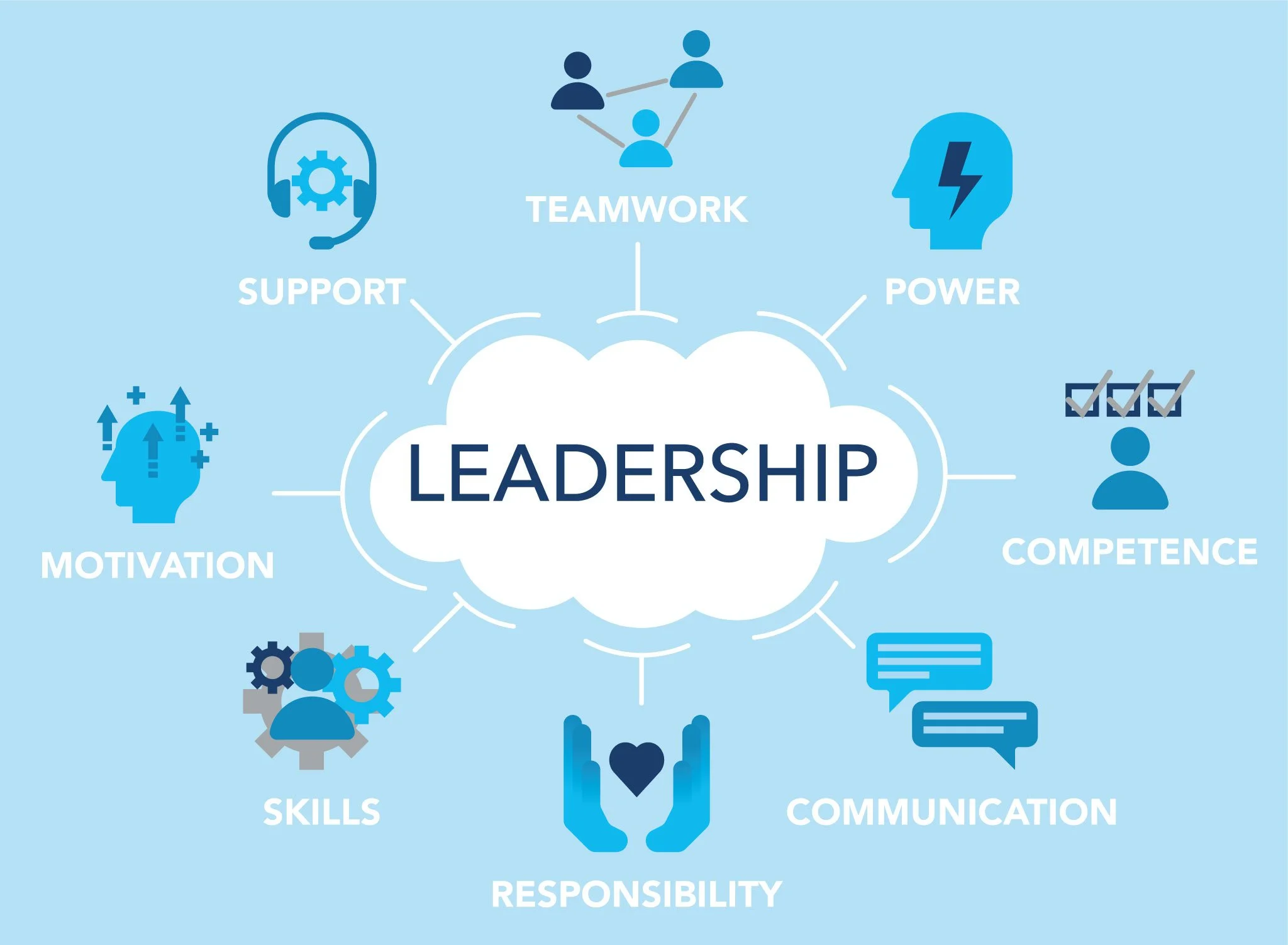
Leadership in a modern organization is multi-directional, not top-down. Participants develop the skill to lead up by managing their boss, down by leading their team, across by influencing peers, and inward by managing themselves — operating effectively at every level.

Teamwork and Team Management Skills
Develop the skills to lead and manage teams effectively and efficiently. Participants learn to build high-performing teams, strengthen communication, motivation and conflict management, and raise productivity so goals are met through teamwork rather than individual effort.
Leadership Training Program
Built for supervisors, team leaders and newly appointed leaders, combining classroom sessions with applied practice. Participants cover leadership concepts and styles, the difference between leading and managing, effective communication, and the ethics and responsibility leadership carries.