Process Control Valves and Actuators: Sizing, Selection, Installation & Maintenance
Comprehensive technical grounding in sizing, selecting, installing and maintaining process control valves and actuators, focused on petroleum and gas applications. Participants gain hands-on capability with the valve and actuator decisions that determine control quality.
Program Overview
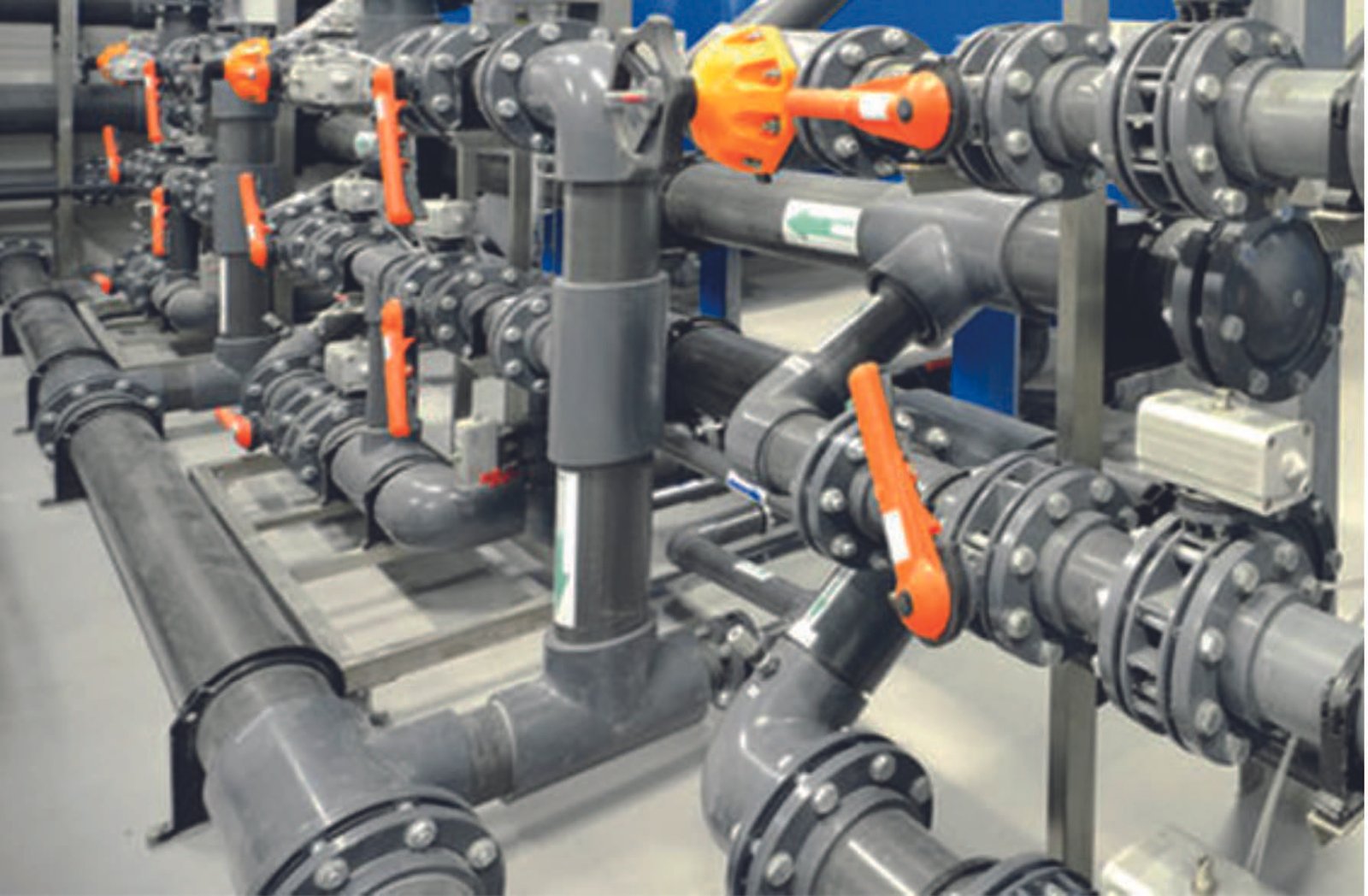
This program delivers comprehensive technical knowledge and hands-on expertise in the sizing, selection, installation, and maintenance of process control valves and actuators, with a strong focus on petroleum and gas industry applications. The course ensures participants gain the ability to improve system performance, operational safety, and equipment reliability in refineries, pipelines, and petrochemical plants.
Key Learning Objectives
Participants will be able to:
- Understand the principles of valves and actuators in petroleum operations.
- Apply international standards (ISA, API, IEC) in valve sizing and selection.
- Choose the correct valve and actuator type based on process conditions.
- Perform installation, commissioning, and calibration effectively.
- Troubleshoot common problems in field operations.
- Implement maintenance and reliability strategies for long-term efficiency.
Target Audience (Petroleum Sector)
- Process & Instrumentation Engineers in oil and gas plants
- Maintenance & Reliability Engineers
- Plant Supervisors and Operations Staff
- Project Engineers responsible for equipment installation
- HSE & Technical staff involved in petroleum process control
Proposed 5-Day Timetable
Day 1 – Fundamentals of Control Valves & Actuators
- Role of valves in process control
- Types of control valves (globe, gate, butterfly, ball)
- Overview of actuator types (pneumatic, electric, hydraulic)
Day 2 – Valve Sizing & Selection
- Flow characteristics (Cv, Kv, pressure drop)
- Fluid considerations (liquids, gases, multiphase flow)
- Standards & best practices (ISA, API, IEC)
Day 3 – Actuator Technologies & Integration
- Pneumatic vs. electric vs. hydraulic actuators
- Smart actuators & digital communication (HART, Fieldbus)
- Integration with DCS/PLC systems
Day 4 – Installation, Commissioning & Troubleshooting
- Installation guidelines in petroleum facilities
- Commissioning steps & calibration methods
- Troubleshooting common failures
Day 5 – Reliability, Maintenance & Case Studies
- Preventive & predictive maintenance strategies
- Extending service life in petroleum plants
- Case studies from oil & gas industries
- Final assessment, group exercise & wrap-up
Related Courses
Process Equipment, Application, Design and Operation
Select the right equipment for a given process duty across vessels, exchangers, heaters and pumps. Participants read data sheets, P&IDs and specifications with confidence, understand the design codes and mechanical limits governing safe operation, and monitor performance against design.
Operation and Maintenance of Rotating Equipment
Understand the construction and operating principles of pumps, compressors, turbines and their drivers. Participants read vibration, temperature and lubrication data as indicators of machine health, and apply the alignment, balancing and sealing practices that extend machine life.
Boiler Operation, Maintenance & Water Treatment Technology
Understand boiler types, circulation, combustion control and steam generation from first principles. Participants operate boilers through start-up, load change, blowdown and shutdown, and apply feedwater treatment, chemical dosing and condensate polishing to prevent scaling and corrosion.